
A mixed picture of the state of nature in the South of Scotland emerges in a landmark new study published this week. The Southern Uplands Partnership (SUP) has developed the State of Nature report, which is a first for the South of Scotland.
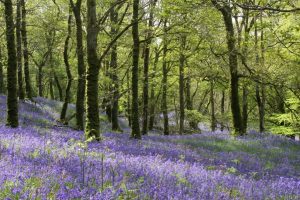
Presented in two parts, a summary and a more detailed data report, State of Nature South of Scotland reports on biodiversity across the Scottish Borders and Dumfries and Galloway, drawing on the best available evidence and charting the changes that have taken place across the region over the 25-year period since the year 2000.
Working with South of Scotland Enterprise, the Regional Economic Partnership and the South of Scotland Regional Land Use Partnership, NatureScot, alongside Scottish Borders and Dumfries and Galloway Councils, the report produced by SUP, with support from the South West Scotland Environmental Information Centre and The Wildlife Information Centre, as well as many other partners, shows some notable positive trends for biodiversity including the recovery of important seagrass beds in the Solway Firth and Loch Ryan, both of which are increasing in extent.
However, the overall picture, based on the data available across eleven metrics, indicates a decline in biodiversity across the South of Scotland. The report also reveals the arrival of new species due to climate change, alongside losses and gains in biodiversity due to changing land-use, human introductions and pollution.
The picture created by the study is complex, with different trends in evidence across habitats and species. The report also highlights significant gaps in consistent monitoring. The report will be used to help plan future biodiversity and land use policy and can be updated as new data becomes available.
Read the reports here: https://www.southofscotlandrep.com/stateofnature